

Julia Andres | ARTS 1 [Critical Perspective in Arts] WFV-4
Posted on July 15, 2026
On March 4, 2026, our Arts 1 class arrived as a cohort to the Jorge B. Vargas Museum. No sooner than we logged in our attendance and placed our bulky belongings at the reception did the experience transform into an open-ended exploration where we split into smaller groups and went our separate ways. This loose structure allowed us to interact with the museum dynamically and at our own pace, moving away from the rigidity typical of your daily classroom setting and shifting the focus towards one’s own intentional consumption of museum art and I, ever the maverick, reveled in this form of emancipation from sitdown lectures.
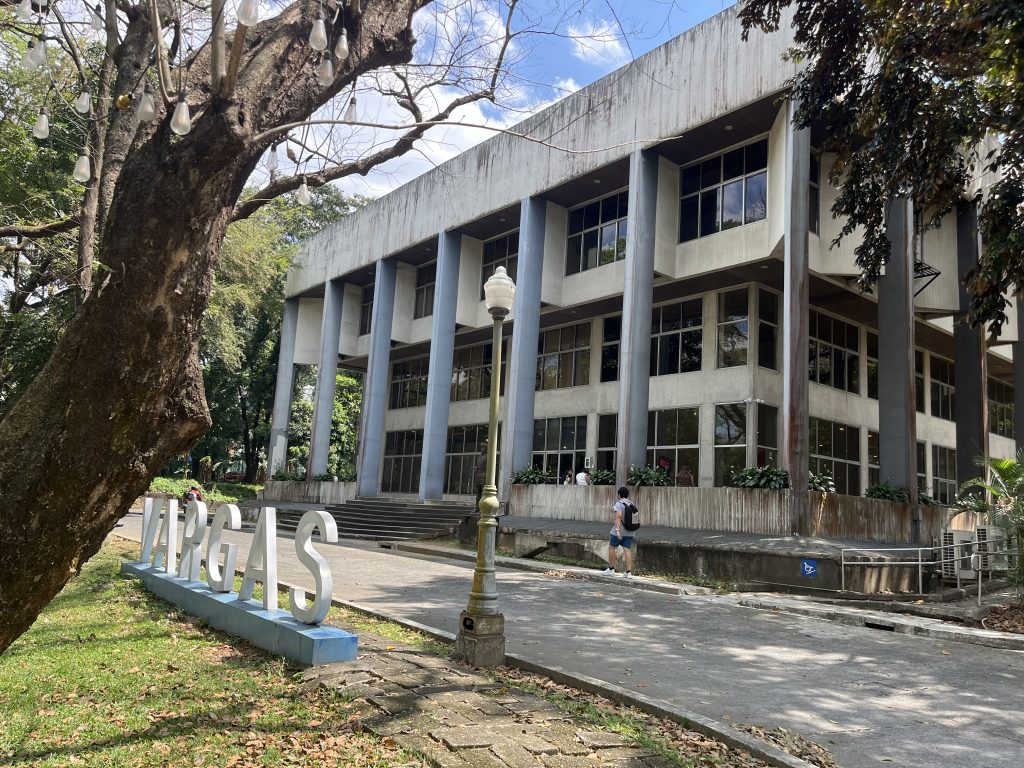
The Vargas Museum presents an ideal environment for this kind of reflective exploration. Clean, well-lit, and well-ventilated, the building alternates naturally between quiet, contemplative stillness and bursts of institutional activity as various Arts 1 classes pass through its galleries. For a student learning to examine art through a critical lens, the physical layout of the museum forces an immediate confrontation with how art is produced, circulated, and ultimately institutionalized.
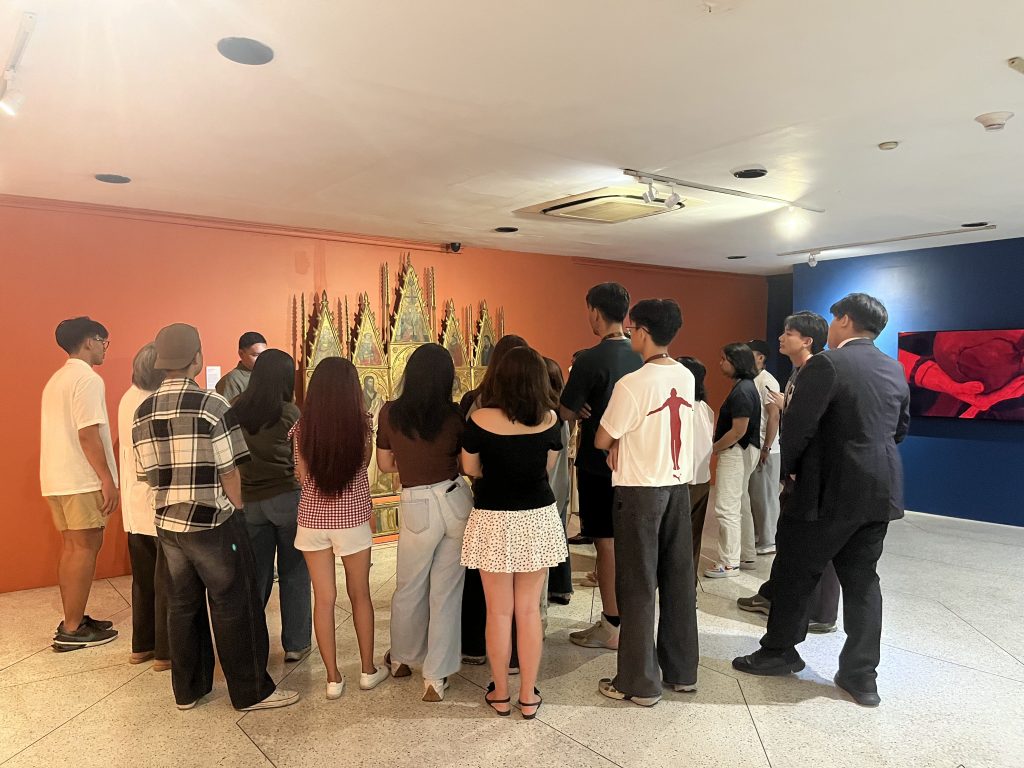
Text and Context
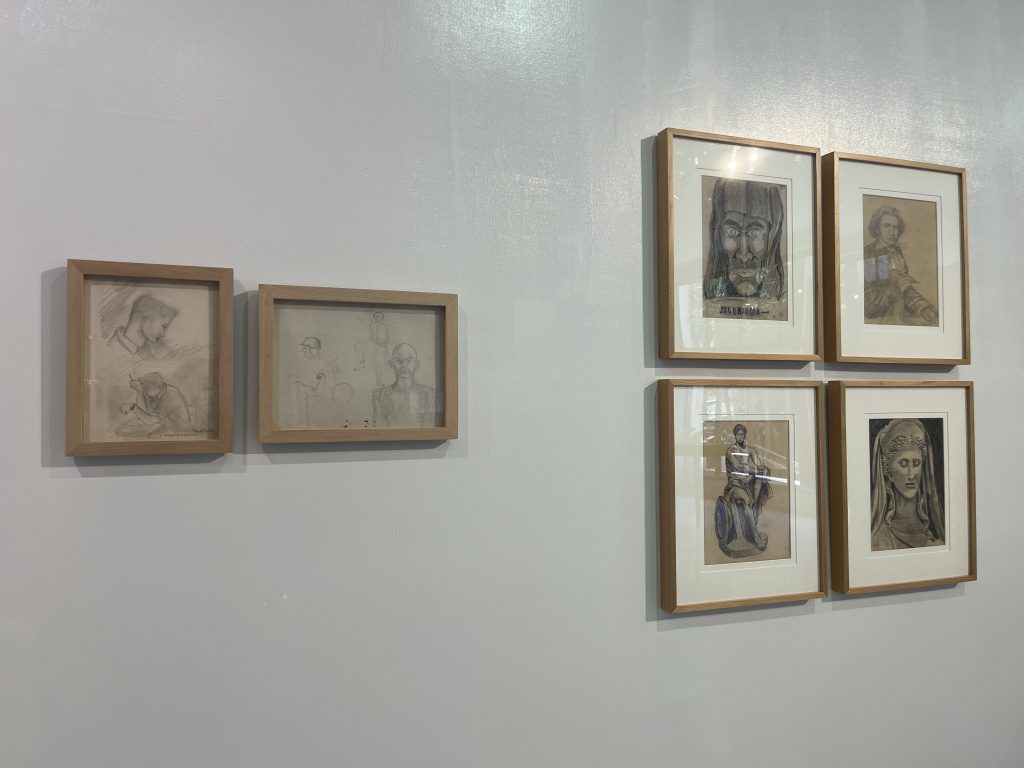
My exploration began on the ground floor with the month’s temporary exhibition, Pagdiriwang: Buhay na Sining ni Ramon P. Santos, an excellent introduction to the National Artist’s life and works. It bridged the gap between raw creative labor and finished outputs by displaying previously unreleased sketches alongside complete works. The informative exhibition notes transformed the space, helping us track the artist’s process and adding deeper meaning to our visit.
In the next room was Notes for Tomorrow, an extraordinary, international exhibition curated by Independent Curators International (ICI). This space brought together artworks from 25 countries to reflect on the global reality left behind by the COVID-19 pandemic. This exhibition proved exactly how modern art has broken out of traditional frames, wherein rather than relying solely on canvas, the exhibition utilized multiple forms of media, including photography, digital video installations, and immersive auditory experiences.
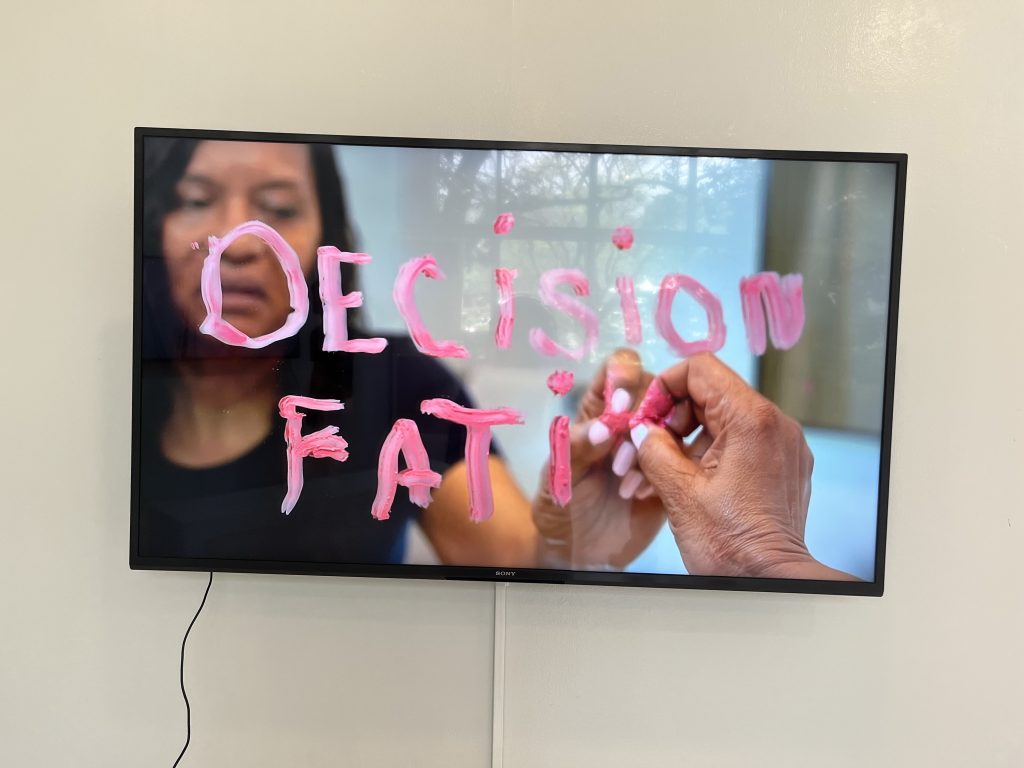
The works on display offered a somewhat unhinged, deeply honest, and uncertain look at an era when collective crises demanded collective care. By imagining digital spaces as points of connection—and even avenues to the sacred—these artists explored decolonization, natural elements, and cultural memory. It was a vivid reminder of how modern platforms can process shared trauma and push toward new futures.
Transitions and Techniques
Moving up the grand staircase toward the third floor—as the second floor housing the main gallery was temporarily closed—I was greeted at the landing by what is arguably the oldest painting in the museum’s permanent collection: an undated oil on canvas titled ‘Large Landscape with Figure’ by Venetian vedutisti painter Giuseppe Zais (1709–1784).
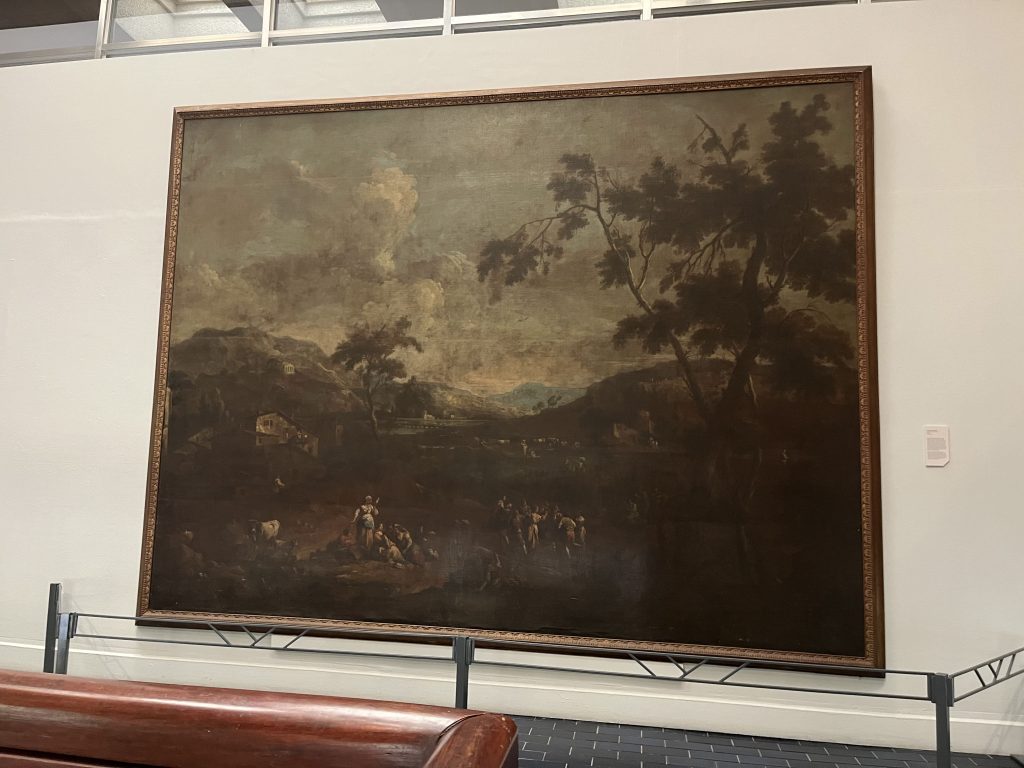
Observing a true Rococo-period landscape up close was illuminating. The highly detailed, large-scale execution demonstrates how historical patronage (in this case, British consul Joseph Smith) allowed specific art forms to circulate globally. The painting’s survival and current resting place on a UP Diliman stairwell highlight the complex paths through which classical art travels before arriving in front of a contemporary student audience.
Power and Patronage
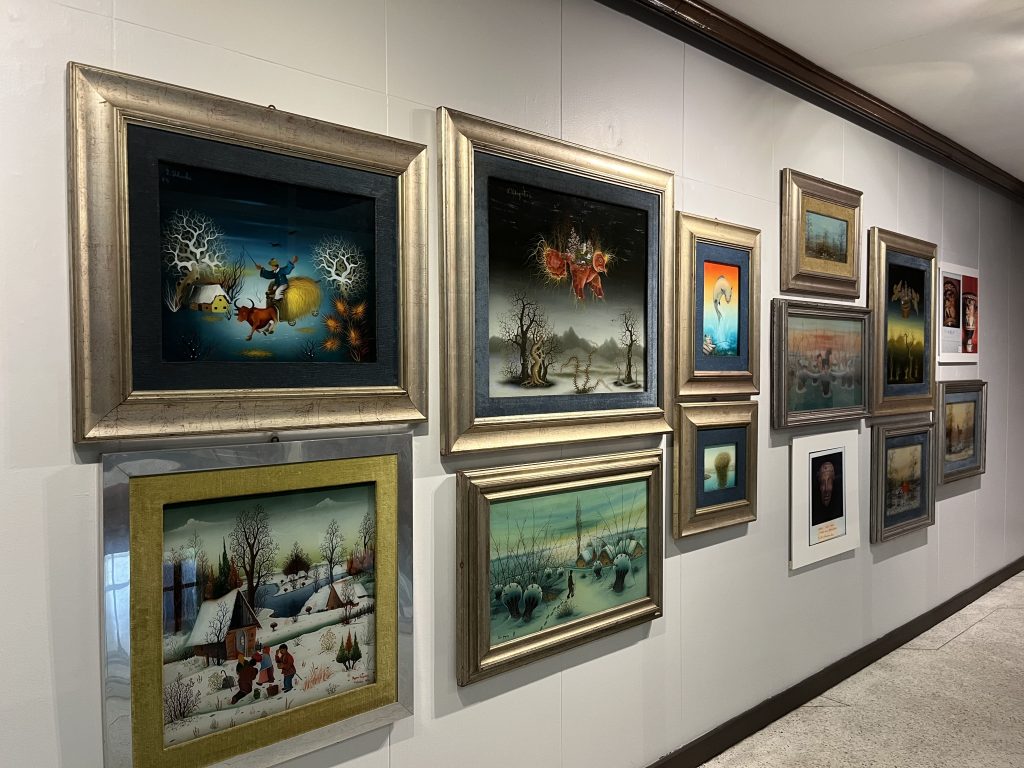
The third and final floor of the museum houses the archives, most notably the Presidential Commission on Good Governance (PCGG) collection and memorabilia bequeathed by its politician namesake. The most politically charged space is undoubtedly the room holding the PCGG Artwork Collection. This gallery consists of international artworks sequestered from the ill-gotten wealth of the Marcos family. Among these are pieces by the first-generation Yugoslavian Naif Painters—peasants from Hlebine, Croatia, who were guided by Krsto Hegedušić.
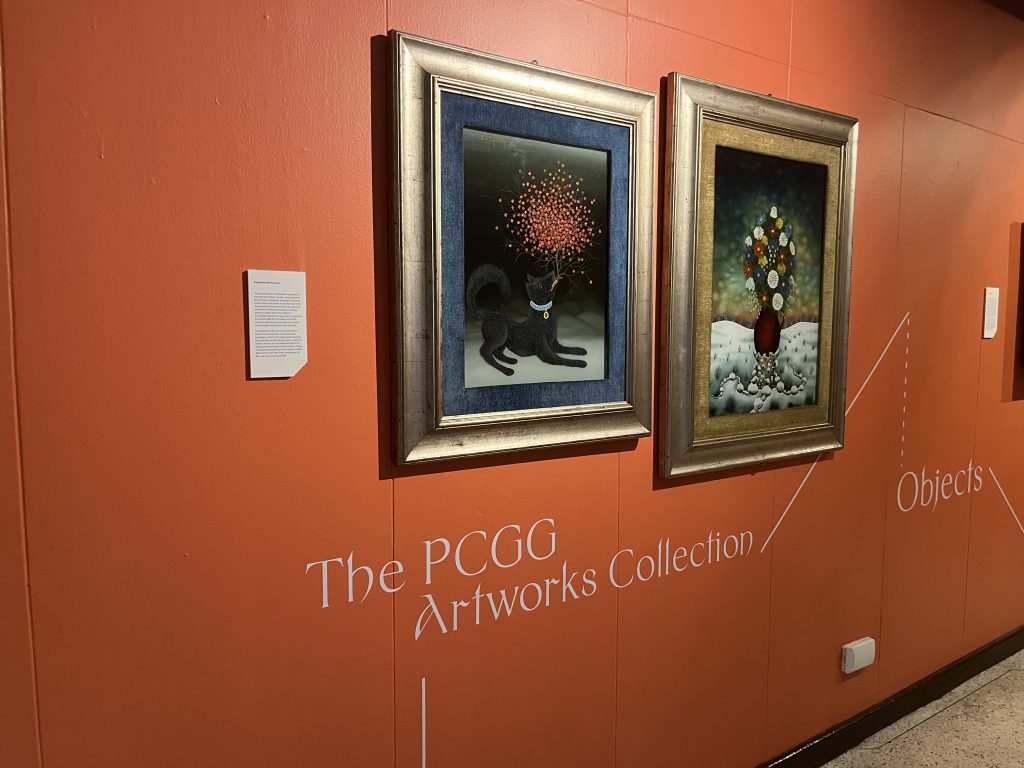
Reflecting on this collection highlights a stunning irony in how art circulates. These works, rooted in social critique, rural realism, and poverty, were bought up using stolen national funds, only to be reclaimed and placed in a public university museum. It is a striking reminder that what we see on these walls is only a small fraction of that missing wealth, yet it now serves as an invaluable, highly diverse academic resource for our classes.
In an adjacent wing, the museum addresses the life and collection of its namesake, Jorge B. Vargas. This space functions as an intense institutionalization of Vargas’s life, dedicating nearly the entire floor to his school days, government awards, and archival videos from his controversial role during the Japanese occupation.
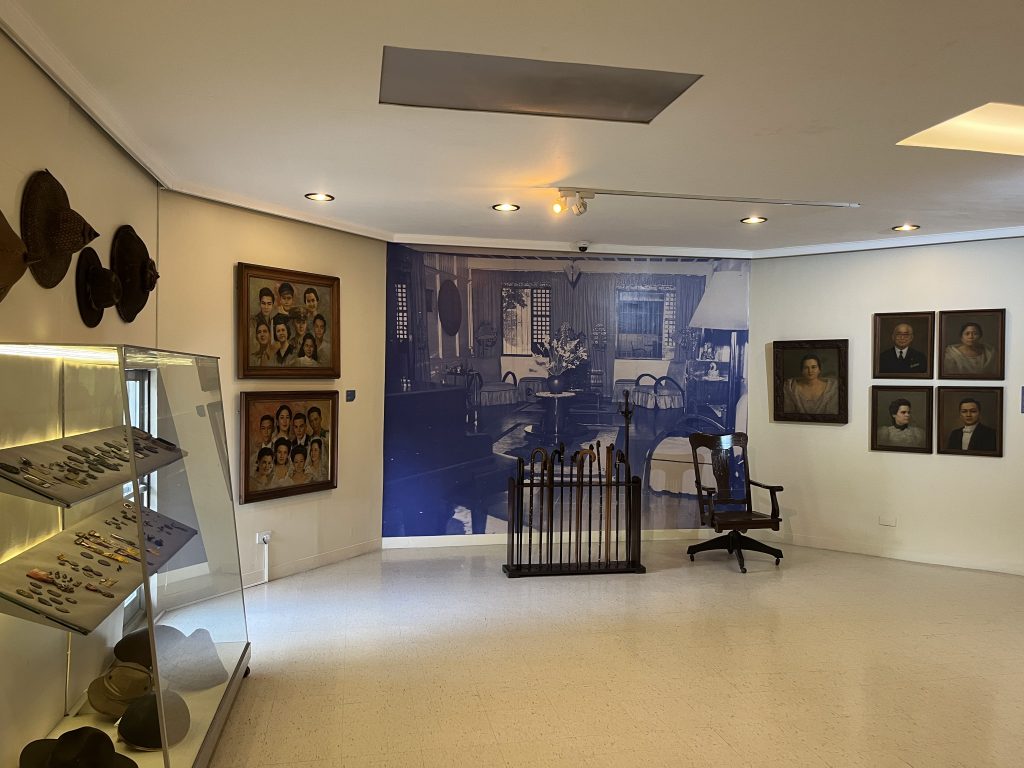
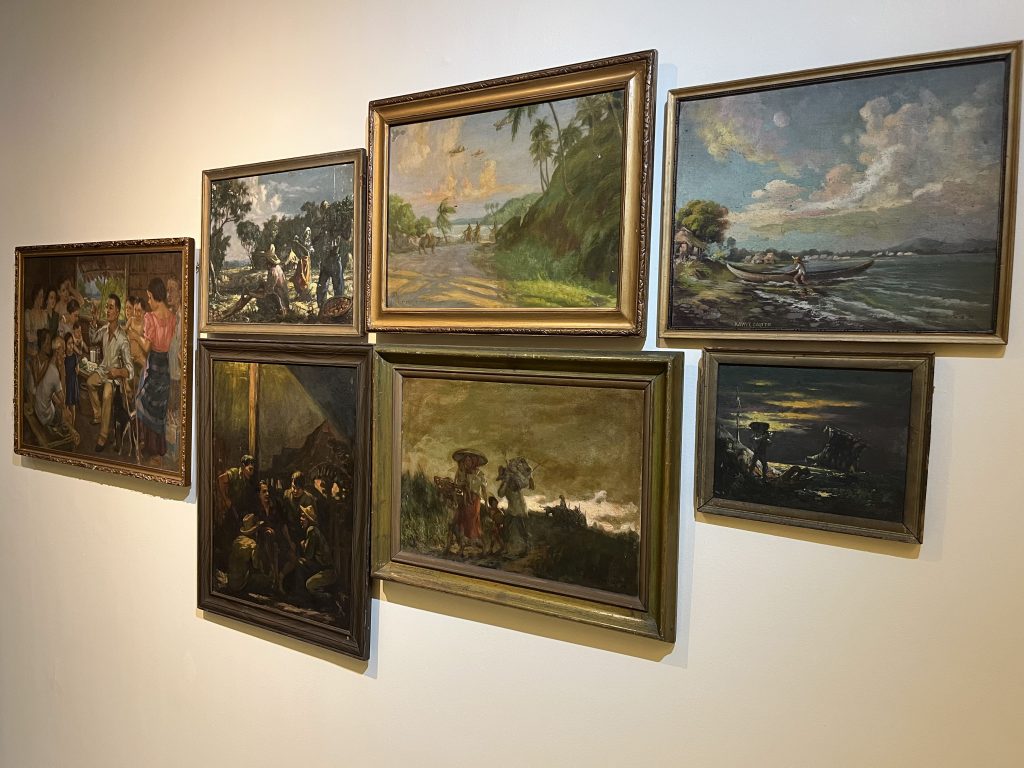
Here, the relationship between “The Artist and Perceiver” takes an interesting turn. Vargas isn’t just an historical figure; he is the ultimate patron whose act of donation immortalized his own legacy. His personal collection features mid-century works painted on canvas board and masonite—such as Marcelino Sanchez’s Tales of Bataan (1943) and Pilar Santiago’s Evacuees (1943)—capture vividly the immediate anxieties of wartime survival.
Lessons from Lecture Liberation
Weaving my way back downstairs, the contrast between the wartime survival on the third floor and the pandemic reflections on the first floor made me realize that our autonomy outside the classroom was not just an exercise in freedom, but a lesson in awareness.
By stepping away from a standard lecture and exploring the Vargas Museum on our own terms, our class witnessed firsthand how art operates as a living force. Whether confronting the raw digital memories of a recent pandemic on the first floor, or unpacking the heavy political histories of the PCGG and Vargas collections on the third, the museum proved that art is never detached from society. It is a physical record of our struggles, a tool for political status, and a space where collective memory is kept alive. For a student navigating the present time, this self-guided journey at the university’s resident museum offers more than just a break from routine—it provides a crucial arena for looking back honestly so that we can think forward clearly.
A BS Economics student analyzing the structural machinery of Philippine society by day and dissecting its systematic opportunities and psychological costs by night, channeling both realities at any time through the pen.