

Summer Libelle Espiritu | Socio 188 [Special Topics in Research Methodology] THW Class
Posted on June 5, 2026
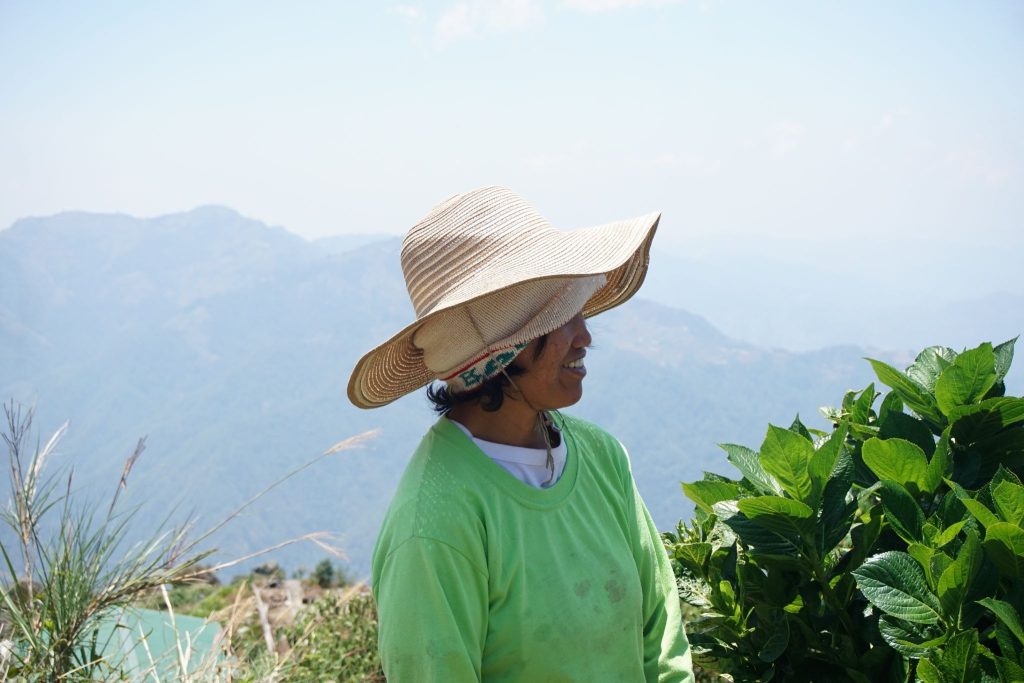
Whether born out of struggle or the dominance of certain ideas over others in a classed society, we cannot avoid the emergence of ideas of passivity—that the world is an unchanging thing, external and separate from us human beings. The women flower farmers of Barangay Paoay, Atok present a stark contrast to these ideas. By a touch of their hands, the world is colored anew, blanketed with vibrant paper roses and carnations. These women have proven an imperative role in changing the world.
The Flower Farmers of Barangay Paoay
The vast fields of Atok, Benguet have given life to its people for generations. Whether through flowers or vegetables, its fertile soil has proven itself as a key link in the flow of production, and has put food on the tables of residents of Atok. Whether in Baguio’s public market or even the stalls of Dangwa, the entanglement of Atok’s harvest in our economy—and thus in all of our lives—cannot be denied. Atok’s land doesn’t only provide for its own residents, but plays a significant role as well in the economic development of the whole country.
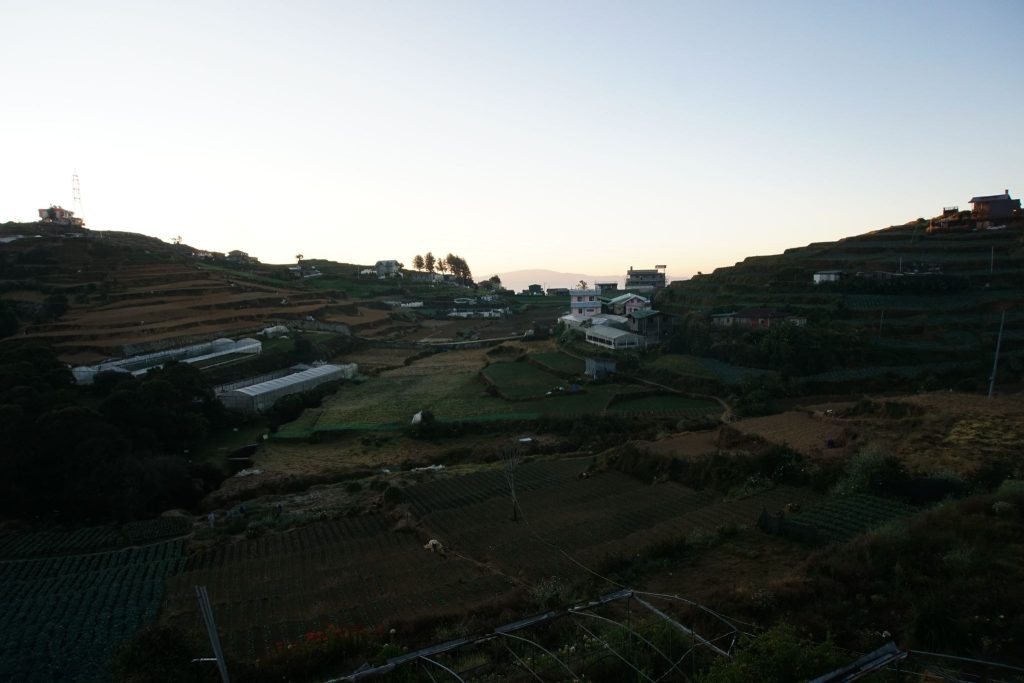
Historically, vegetable farming has been a means of subsistence, producing food for direct consumption. With the country’s transition into an export-oriented, import-dependent economy, people’s livelihoods have been heavily tied to the market. This results in income that is dependent on traders and consumers. What this means for farmers is that they do not get to decide the worth of their own produce. As put by one of our interviewees, “We are at the mercy of traders.” There could be days that despite the long gruelling hours they spent with loads of carrots and cabbage over their hunched backs, if supply is high because of competition from imported produce, they’d have to settle for low prices, or worse, be forced to throw away their harvest and let it rot because they cannot sell it.
This is the material reality lived by the locals of Atok. This is the environment that gives way to change, as material realities push communities to restructure their entire lives with the emergence of new contradictions. The struggle of farmers under a system that exhausts them of their labor power while giving close to nothing in return allows innovation to flourish. The rise of the flower industry in Atok was a response to the economic and social realities of these farmers. As the farmers of Barangay Paoay expanded their skills into flower farming, they saw an uptick in their income. Because this was an emerging domain, there was not much competition, allowing them to sell their flowers at higher prices. Moreover, flowers provide them with a monthly profit, whereas vegetables are bought only quarterly. This new innovation gave them a more stable and regular source of income. However, this shift from vegetables to flowers is not without its own challenges.
Dialectical Materialism: Between Flowers and Vegetables
As with any contradiction, change is never linear or final. Contradictions persist and change is constant, and as the seasons change in Atok, so must flower farmers adapt to the different challenges they may bring. Hotter temperatures make it hard to work for long hours under the heat of the sun and inside greenhouses, especially at the old age of many flower farmers. However, what truly presents the necessity for continuous adaptation throughout contradiction is the destructive typhoon season. Typhoons wreck most of their greenhouses, and with repairs costing tens of thousands of pesos, many flower farmers are forced to abandon their livelihoods. Such crises introduce new shifts, likely, a return to vegetable farming.
Even those who persist in the flower industry often continue to grow vegetables alongside flowers. In fact, most of our interviewees state that they grow both. The market remains unpredictable for flowers even if they are more profitable than vegetables. There has been a spike in flower producers in recent years, both locally and internationally, and this leads to oversupply, lowering the prices of Atok’s flower farmers. They supplement their income by continuing to grow vegetables. Change will always be present in the lives of these flower farmers. The question is, how do they adapt and negotiate their survival within the ever-present contradictions in their lives?
The Eternal Possibility of Change
Change is an overwhelming thing, and to struggle amid conditions that force you to contort yourself in order to adapt is not an easy feat. With the possibility of change, however, a glimmer of hope also presents itself. It is never permanent, no, but with every new contradiction that arises, it is always present. Between contradictions, we are able to channel hope and negotiate progress much more easily when we adapt collectively. Not a single step was taken by the flower farmers of Atok alone. Throughout the crises they’d undergone—the COVID 19 pandemic, numerous typhoons, and now the oil crisis—one thing remained constant: these women would regularly carve time out of their days to talk to one another about flowers, about life.
The question between flowers and vegetables is a question of hope. It is a question of how these women must bring themselves to move forward amid layers of contradictions. The flower farmers of Barangay Paoay, however, have shown that beyond this, contradictions move them, not only to hope for change, but to make it happen themselves. When vegetables no longer provided for their families, they learned to plant flowers. When typhoons and oversupply wreaked havoc on their flower farms, they planted vegetables again. Change is constant and certain, and yet, I am even more certain that the fields of Atok will remain constantly beautiful and productive because the hands that nurture them are hands that fight for progress.
Lessons for Admirers of Atok’s Beauty
Contradictions are the driving force behind change. This is true, but contradictions do not occur beyond our control. Just like the farmers of Atok, there is always potential for us to forge a more colorful tomorrow. This demands from us our willingness to stand for progressive change rather than idly watching the status quo. The question between flowers and vegetables is a question of hope. There is always hope, because we, human beings, are decisive in enacting change. We must only remain strong enough to take the path of progress, no matter how difficult it may be, and always, always keep the faith that tomorrow will be more beautiful than today.
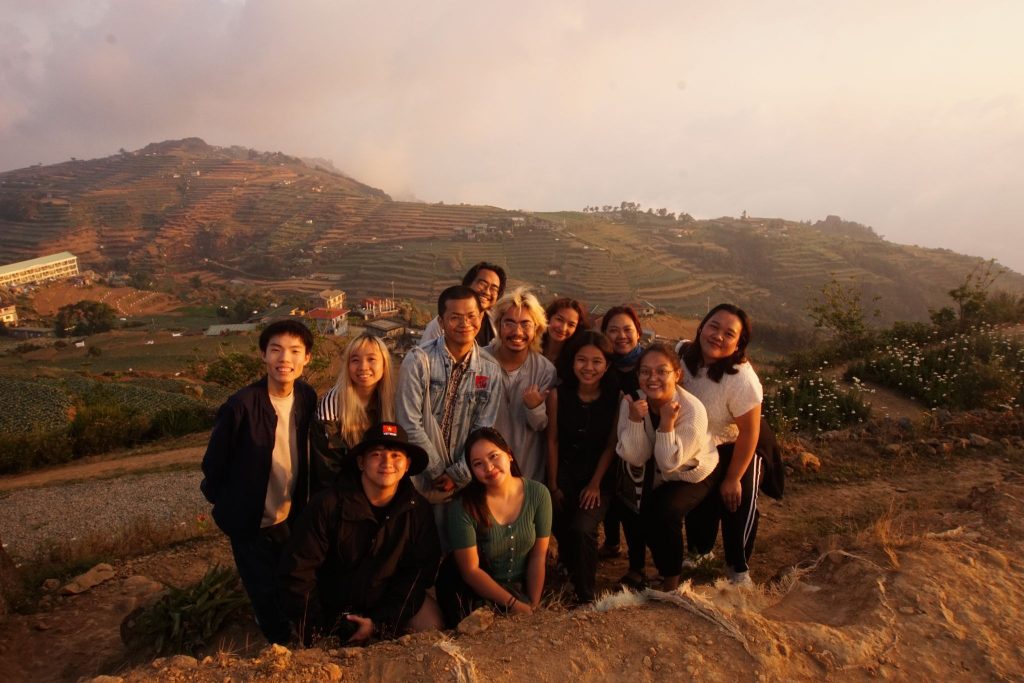
Belle Espiritu is an activist and a third-year student taking up Bachelor of Arts in Sociology at the University of the Philippines – Diliman. She currently serves as the National Vice Chairperson of the League of Filipino Students.