

Patricia Magsayo | Socio 188 [Special Topics in Research Methodology] THW Class
Posted on May 26, 2026
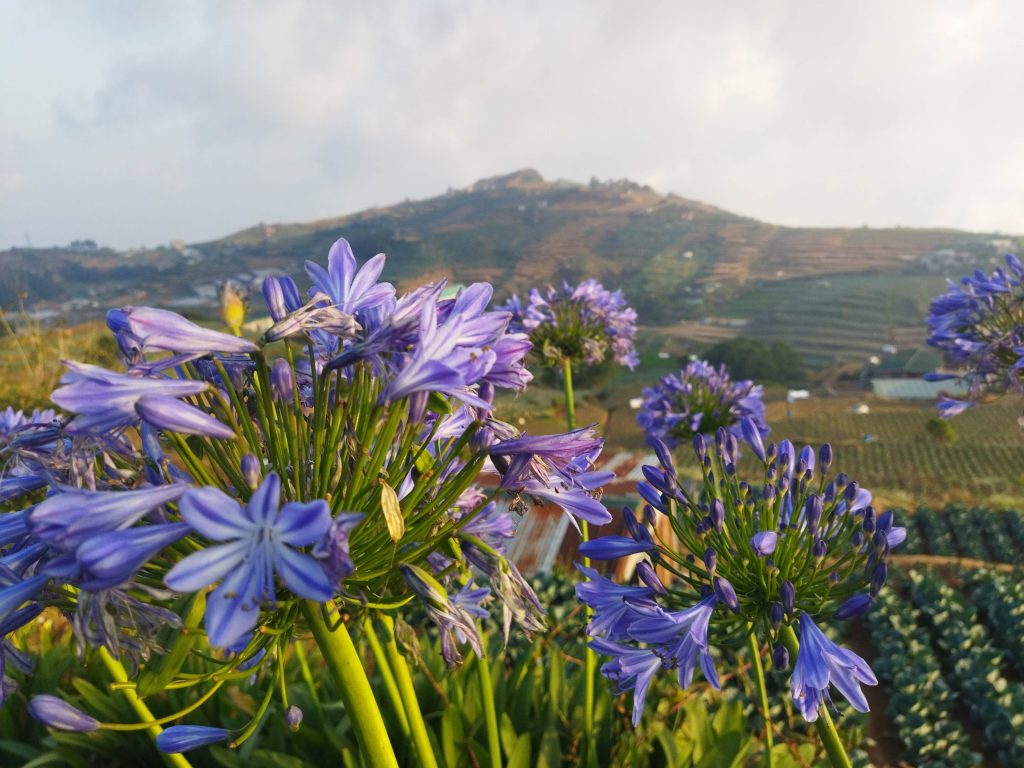
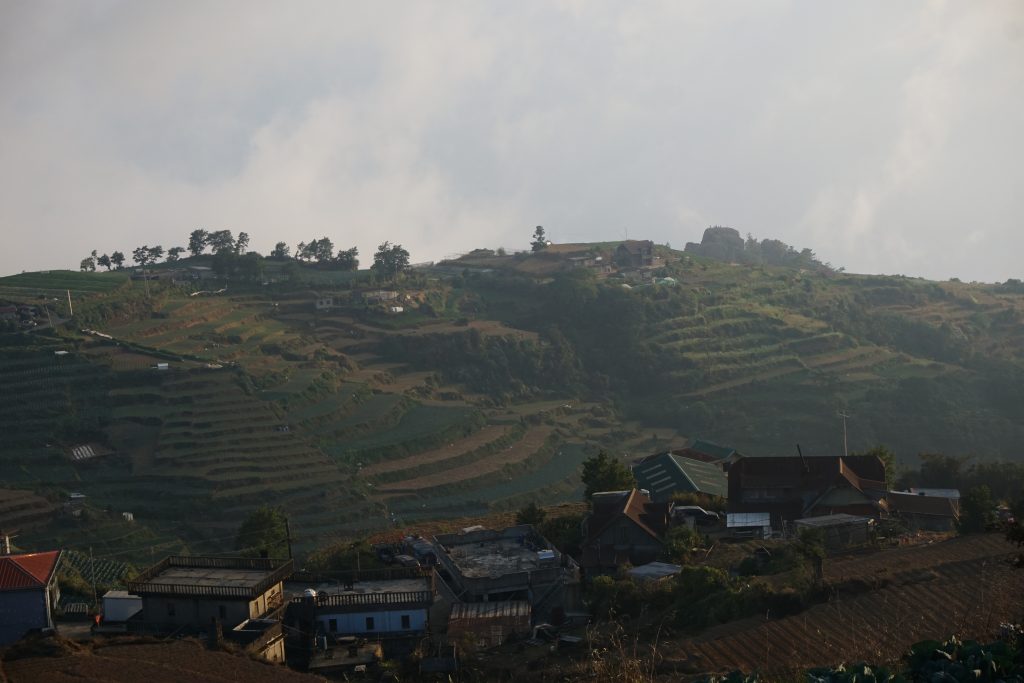
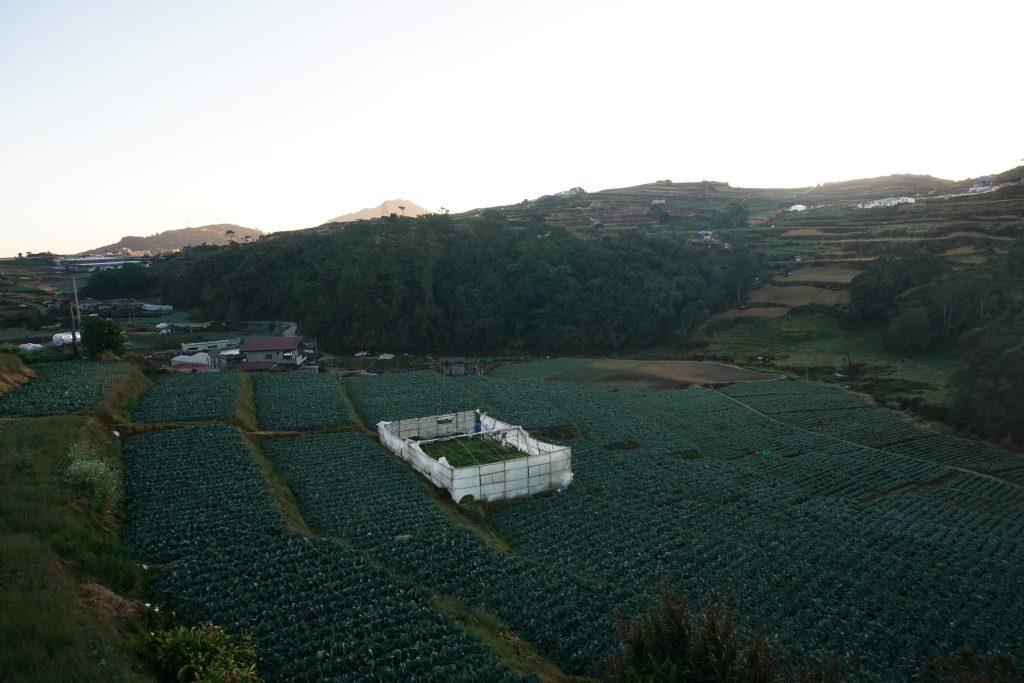
Benguet, known as the Salad Bowl of the Philippines, is a provincial region that heavily relies on agriculture as its main economic driver. Its temperate climate allows a variety of produce to be cultivated in its land, and depending on the season, you may see either rows of large, leafy cabbages lined up on the fields, or hills of potatoes carefully piled up after a bountiful harvest. The practice of farming physically manifests in Benguet’s beautiful landscape, with mountains expertly carved into arable land.
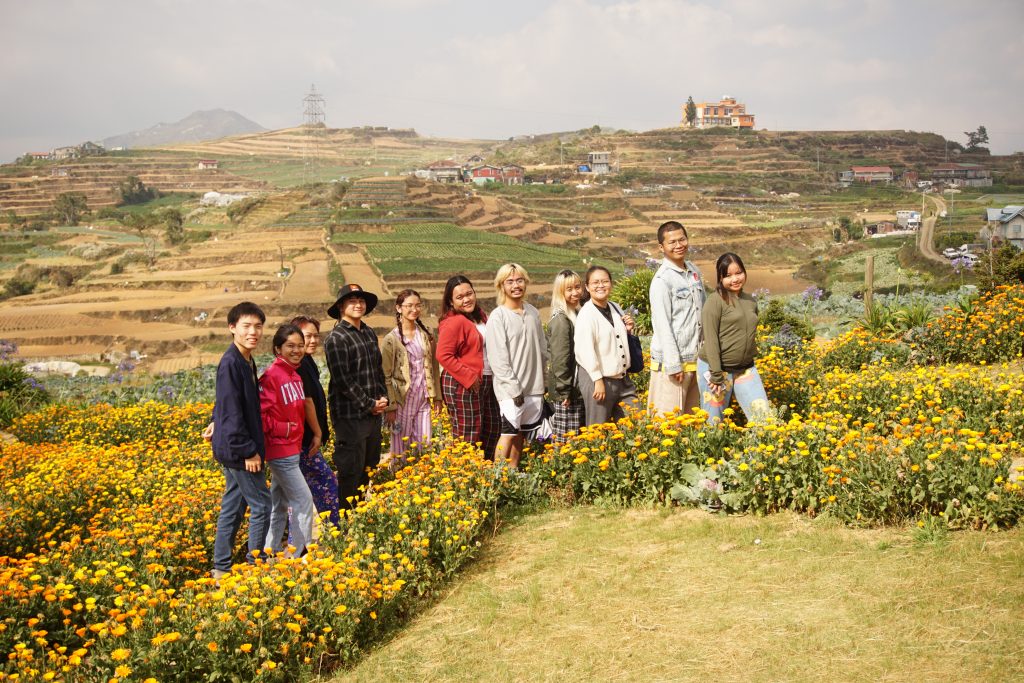
The yields of Benguet are not only limited to fruits or vegetables; they are also producers of multiple species of flowering plants. The vibrant hues of lisianthus, snapdragons, and carnations fill their greenhouses as they bloom, waiting to be packaged and transported to trading hubs for profit. In all this beauty and aesthetic comes the contribution of women. Flower farming, in particular, is a job that is conventionally attributed to women farmers. As farmers, they need to perform arduous labor, all while balancing being a mother, a wife, a friend, and a leader. In no way is this an easy task. Add to that the pressure of external factors such as unfair market conditions, environmental disasters, and health risks, and possible points of struggle can be easily observed. Our class wanted to hear their lived experiences, to ask about their stories, and to understand not only their challenges, but the way in which they navigate the obstacles that arise beyond their control. To do so, we travelled to the mountains of Atok, Benguet to have a glimpse of their realities, and to learn about the circumstances that continuously shape their lives.
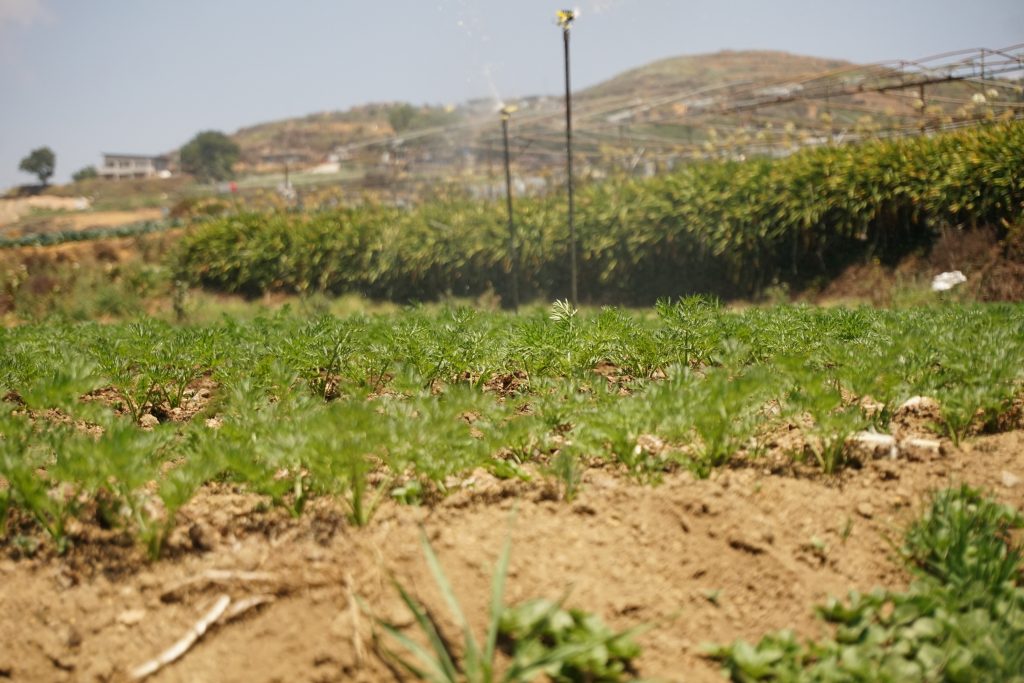
To the Fields of Atok, Benguet
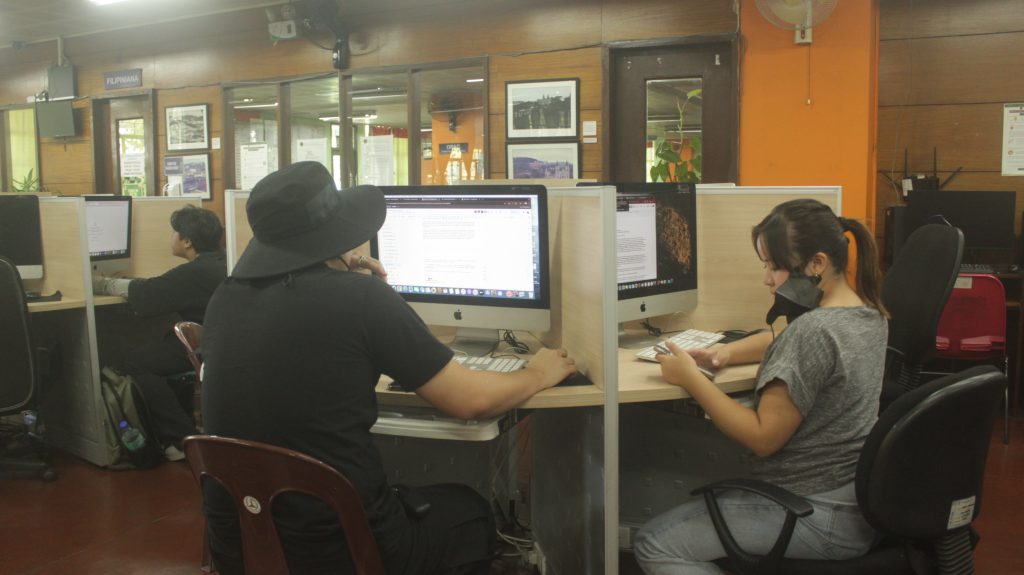
The ride to Atok started in Victory Liner’s bus terminal in Cubao. To shorten the length of our trip, we scheduled our departure time on April 9th at 11:55 PM, but the drive to Baguio still took approximately six hours. The sun was already rising by the time we arrived, and the cold, morning air immediately greeted us as we stepped off the bus, a stark contrast to the warm temperatures ever present in the summers of Metro Manila. We stayed in Baguio for a while to visit UP Baguio’s Cordillera Studies Collection Library, which houses a huge collection of literature that touches upon different fields, such as agriculture, women, economics, and law. Given the short amount of time that we have and our tired state, we weren’t able to completely peruse through the books that we found, but the short chapters that we managed to read were full of unique insights that broadened its intended topic of discourse.
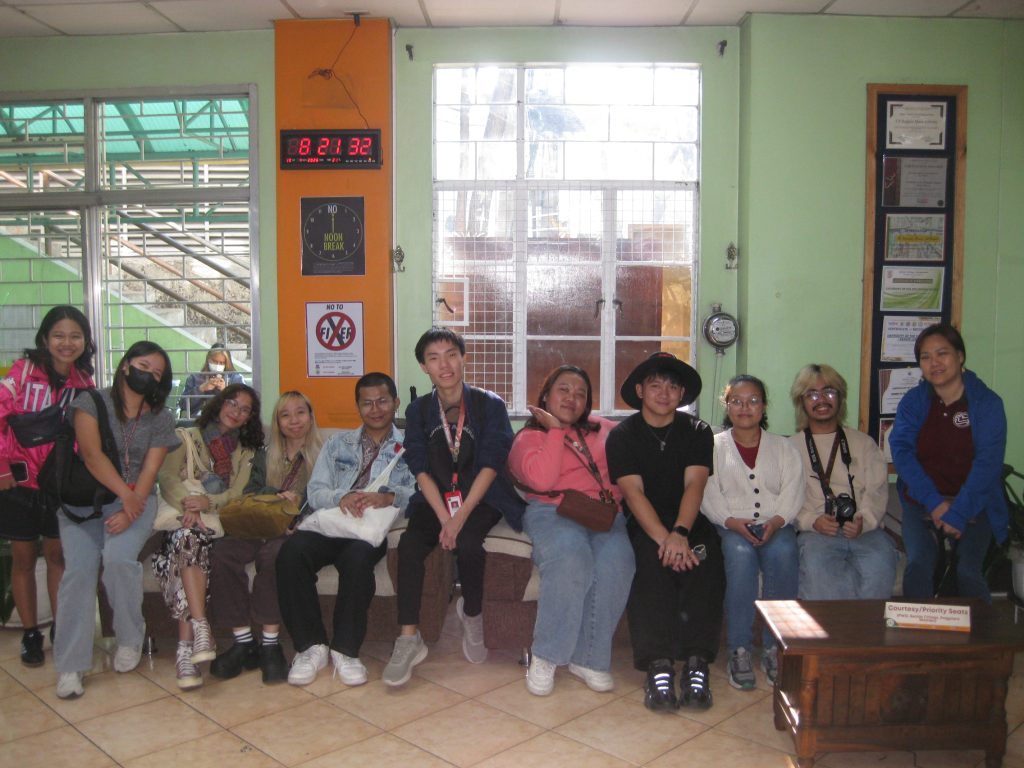
It was around two in the afternoon when we finished our lunch, eventually renting a van that would take us to our final stop. To get to Atok, we had to go through Halsema Highway, considered to be one of the most perilous roads in the Philippines due to its winding paths, steep cliffs, and low guard rails. Interestingly enough, blankets of thick fog also covered the road that day, which limited our field of view and increased the sense of danger already present during our drive. Back then, I was hoping to get a few hours of sleep during transit to save some energy for the night. Instead, I had my eyes peeled on the road, extremely anxious that an accident may occur. While locals who cross these roads may already be experts in traversing the mountains, it doesn’t change the reality that it still poses a serious risk in one’s life.
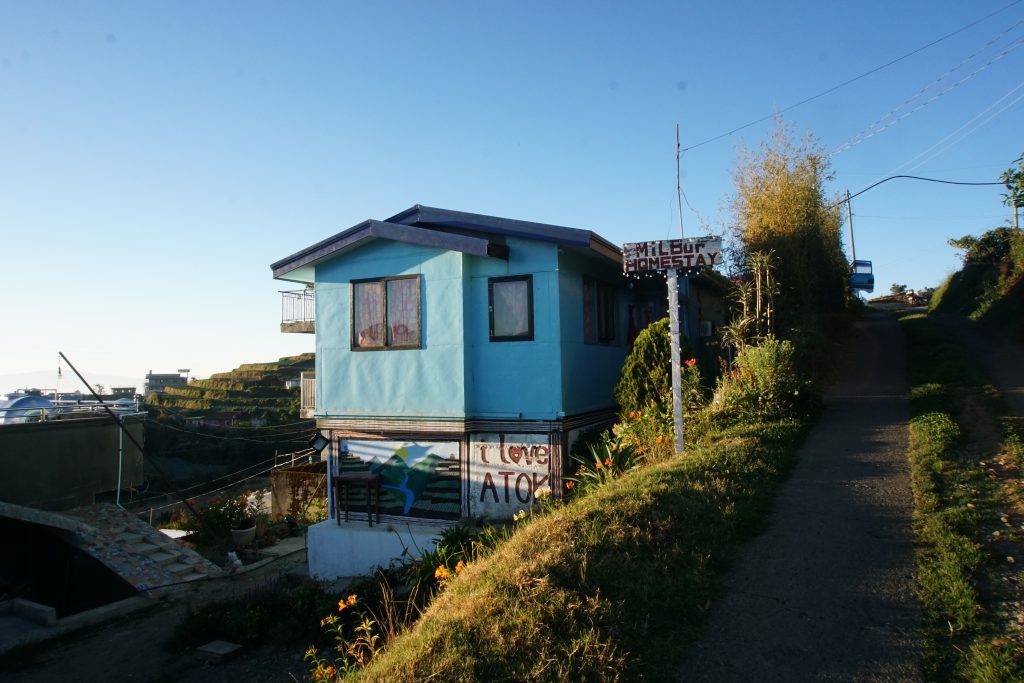
We have finally reached Atok, Benguet after travelling for eight hours. The sun was about to set when we got to the transient house that we booked. At that time, a light drizzle of rain was pouring over the vast fields of what looked like cabbages. The fog also remained thick, casting over a hazy filter on the scenery. Ate N, who was the transient owner, told us that it has been a while since it last rained, and I remember asking if that’s a good or bad thing. In hindsight, the answer seemed obvious, but my background as a city dweller probably influenced my thought process, only showing how people of varied origins can interpret a similar event differently.
The Hands that made the Flowers Bloom
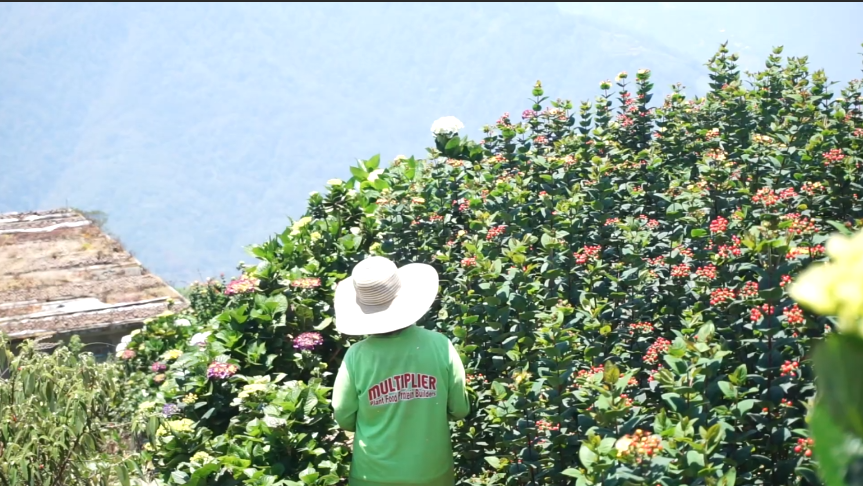
We managed to interview 5 women farmers between April 11th and April 13th. Three of the women we talked to are still planting flowers to this day, while two have stopped and are now focusing on vegetable production. They were between the ages of 59 and 69, and are still boasting an agile and active frame at their age. Most of them said that it was due to the laborious nature of their work. According to them, farming has helped them stay fit and sharp, allowing them to continue doing their livelihoods.
When they were young, education was a luxury they could not afford, except for Nanay Jay, who managed to graduate with a bachelor’s degree. Nanay Emy, who finished high school, shared that their family did not have the financial means to send her off to college, leading her to work in the fields at a young age. Similar circumstances can be noted with Nanay She, Nanay Yuli, and Nanay Rita. The relevance of education is consistent in our conversation, with Nanay Yuli and Nanay She sharing that it was their childhood dream to attain their own degrees. They recognized the importance of education and its ability to shape one’s opportunities, ultimately affecting their chances of success. Perhaps, in an eagerness to pass on their own hopes, they worked hard to support their children’s education through farming, the pride in their voices notable as they share the accomplishments of their daughters and sons.
Focusing on cultivating flowers eased their financial burdens, but their exposure to farming did not begin there; it started off with vegetables. A constant challenge present in vegetable farming was the low selling price of the produce, especially when compared to the production and transport costs that farmers need to cover to continue their operations. Even now, our local farmers in Benguet are struggling to gain profit due to oversupply and lack of institutional support. Thus, when flowers came as a possible alternative, the farmers of Atok, Benguet did not think twice about grabbing the opportunity, including the Nanays that we talked to during our stay. As Nanay Emy puts it, “Kasi yung tinatanim naming gulay mura, hindi bumabalik yung gastos namin. Noong natanim kami ng bulaklak, doon kami nagkakita; doon kami kumukuha ng pagkain; doon ako, kami kumukuha pang-aral ng mga bata. Kasi yung gulay noon mura.”
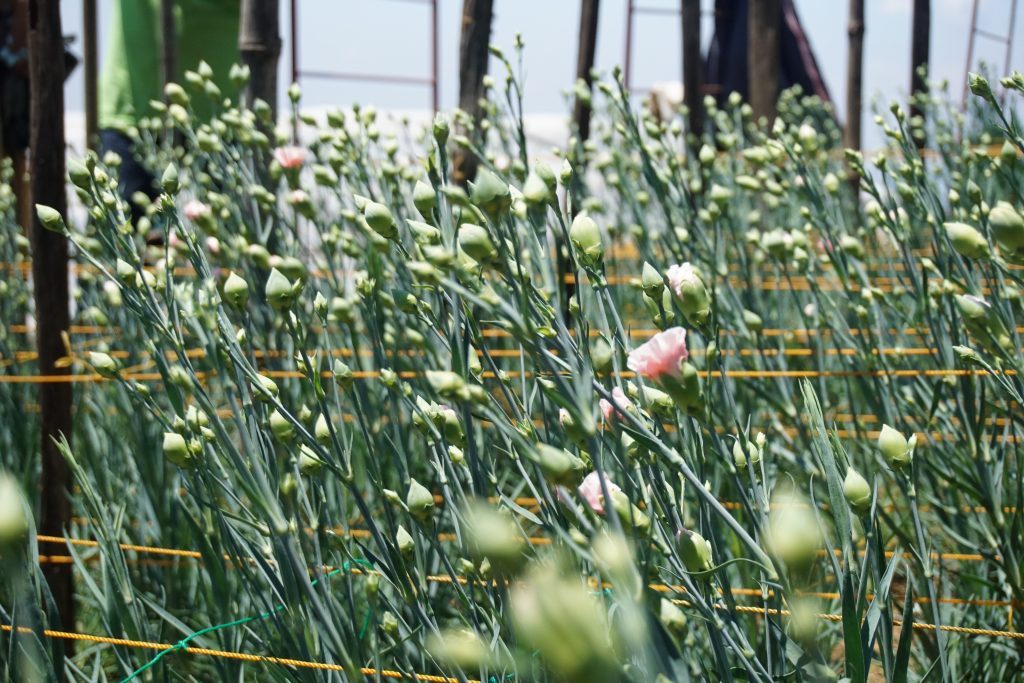
But flower farming is not all rainbows and butterflies; it also comes with its own set of challenges. While flowers are described as less physically demanding and tedious compared to vegetables, their sensitive nature requires a certain degree of meticulous attention. High-quality flowers need greenhouses to meet the requirements set to survive transport. Meanwhile, some species of flowers need a controlled environment to bloom properly, and flowers that are exposed to the elements run the risk of developing blight, making them unsuitable for selling. The trial comes from funding the materials needed for its construction, and these do not come at a low price. It would require tens of thousands of pesos to set up, and this can happen multiple times due to the frequent occurrence of storms that bring strong winds and rain in the region. As a matter of fact, Nanay She, who is now solely focusing on vegetables, mentioned this as the reason why she decided to stop growing flowers, even though they still wanted to continue.
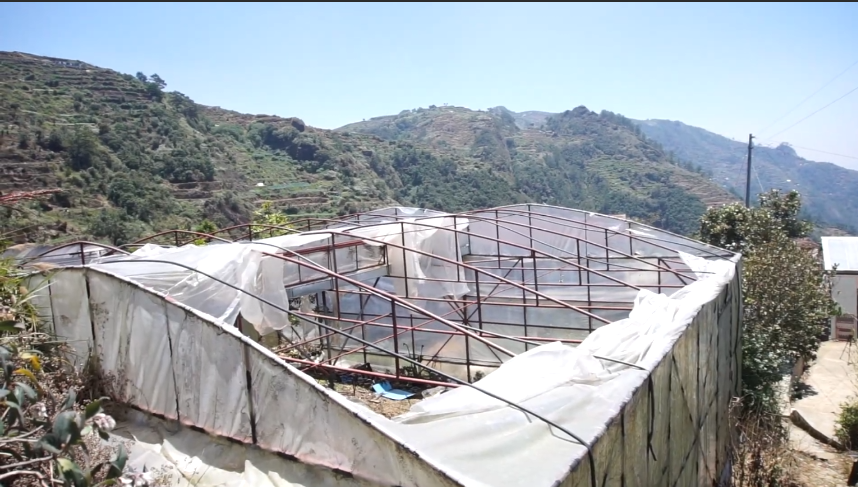
The supply of flowers also increased as it grew in popularity, leading to oversupply and lower selling prices. The value of their products is dictated by the market demand, and the presence of middlemen further reduces their profits. As Nanay Jay says, “Ay, we are at the mercy of the ano, umaangkat. Hindi kami yung naga-ano ng presyo.” In spite of these conditions, they never kept their techniques and resources to themselves, sharing seeds and advice to other community members who also want to try their own chances at growing and selling a specific flower species. The communal spirit remains strong, even at the risk of increased competition.
Amidst all these challenges is the strong companionship between husband and wife. According to them, men and women cover for each other in Benguet. If one is unable to do a task due to physical disability, the other does the work, whether it be on the fields or inside the home. We also asked them how they navigate the months where finances are tight, and they said that there really is nothing else to do but adjust and wait for better days to come.
But adjusting to the whims of the market, the occurrence of natural disasters, and the rising transportation and production costs can only go so far. We recognize the resilience and expertise of the women who tend to the fields, but there exists a need to develop sufficient institutional support that would allow them to sell their produce at a fair and humane price. The women that we talked to have grown to love farming, and they even tell others to try it so they can experience the joy of seeing flowers bloom. But they are also painfully aware of the constraining conditions and back-breaking labor that comes with the work. Through this all, they still continue, and we call for those who are capable of making a difference to lighten the burden that our farmers hold.
Shots from Atok, Benguet
Paricia Magsayo is a 3rd-year standing, BA Sociology student.