

Yssa Dominik D. Laroza | Social 188 [Special Topics in Research Methodology] THW
Posted on July 21, 2026
At midnight of April 10, Cubao was still awake. Buses lined the terminal like restless creatures waiting to be unleashed onto the streets. In the midst of the harsh glow of fluorescent lights are my co-passengers searching for their buses; and of course my classmates and professor in my Socio 188: Ethnography class, sharing some chitchats of how excited they are to have a glimpse of the mountainous province. And somewhere between not-so-long of waiting and noise of departure announcements, our six-hour journey to Benguet began. As the bus sped northward, the familiar landscape of citylights, burning like scattered embers, slowly dissolved behind us.
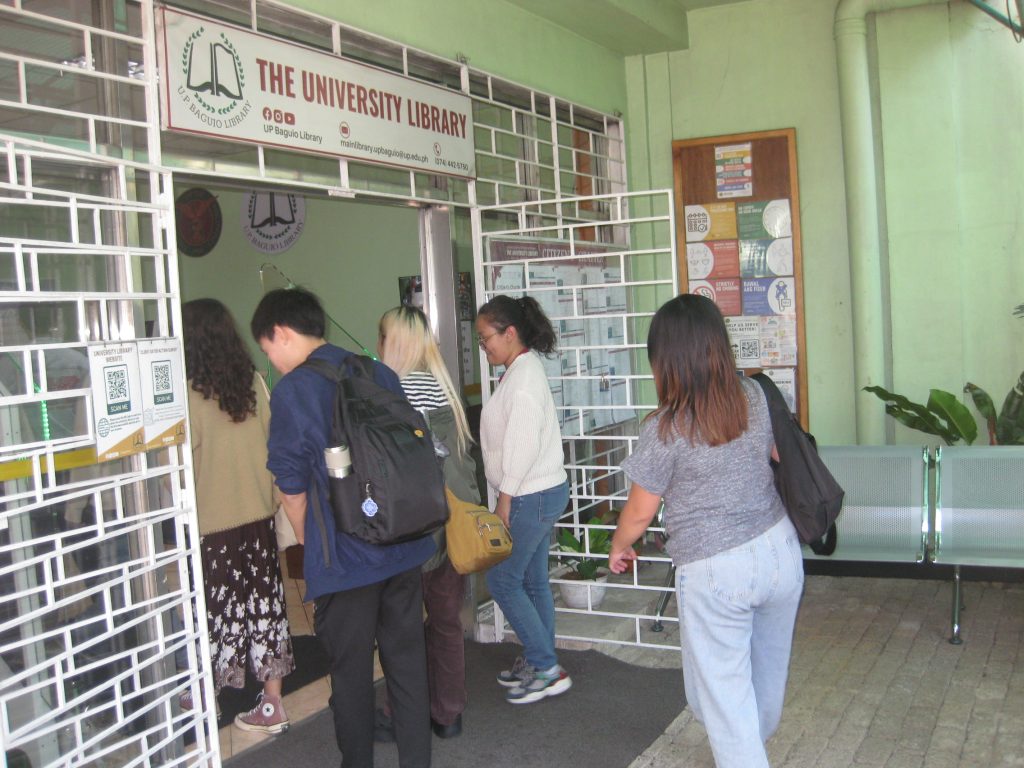
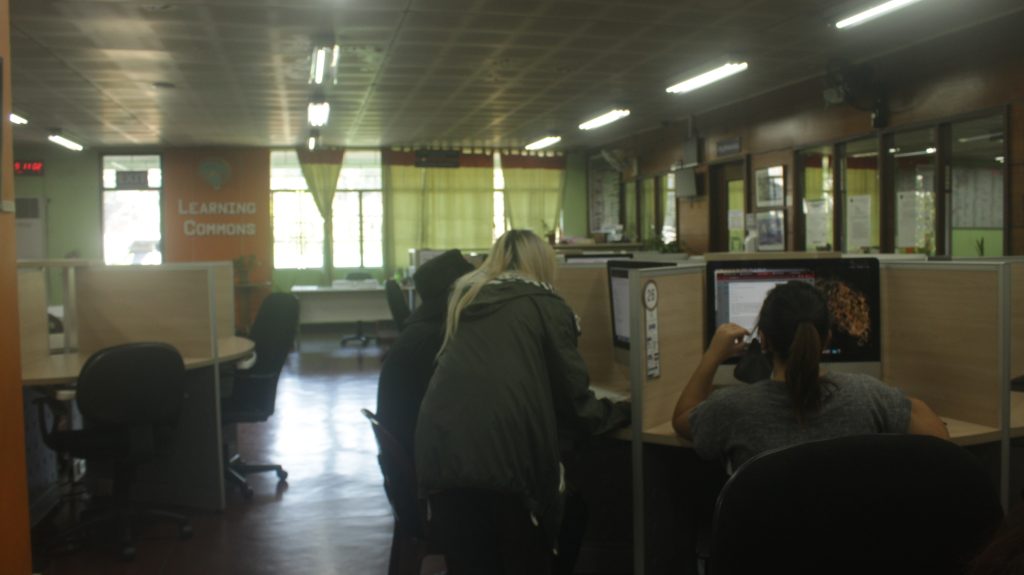
By dawn, the mountains quietly emerged from the mist and the chilly morning of Baguio City, Benguet welcomed our bodies which were once used to feeling the heat of Metro. For quite a while, we stayed at UP Baguio to visit their university library, particularly the Cordillera Studies collection of books so we could skim through materials that would later serve as windows into the region’s histories, culture and its people. We also attempted to visit the Museo Kordilyera, which unfortunately is closed that day; but luckily, a small exhibit was open and we were able to learn about the rich cultural ensemble of Cordillera which carried the fragments of its indigenous people’s inherent connection with melodies of nature. After spending some time at the university, we stepped out with a quieter kind of anticipation. Our class just shared a good lunch at the center of Baguio City, enough to prepare us for another long ride ahead as we boarded a van bound for Atok, Benguet.
The roads curved higher and higher in Halsema Highway and the air grew thinner and colder as our van went through slopes wrapped in clouds. At first, I expected that we would be welcomed by colorful fields of flowers; after all, Atok is known for them. Yet, at the very front, which I guess is at the foot of the highlands of Atok, we made brief stopovers to buy groceries and supplies that felt essential to a place we were only beginning to understand. We exchanged encounters with the locals and we found that our choice to buy goods before going further in the lands of Atok is necessary as access to larger markets become increasingly limited.
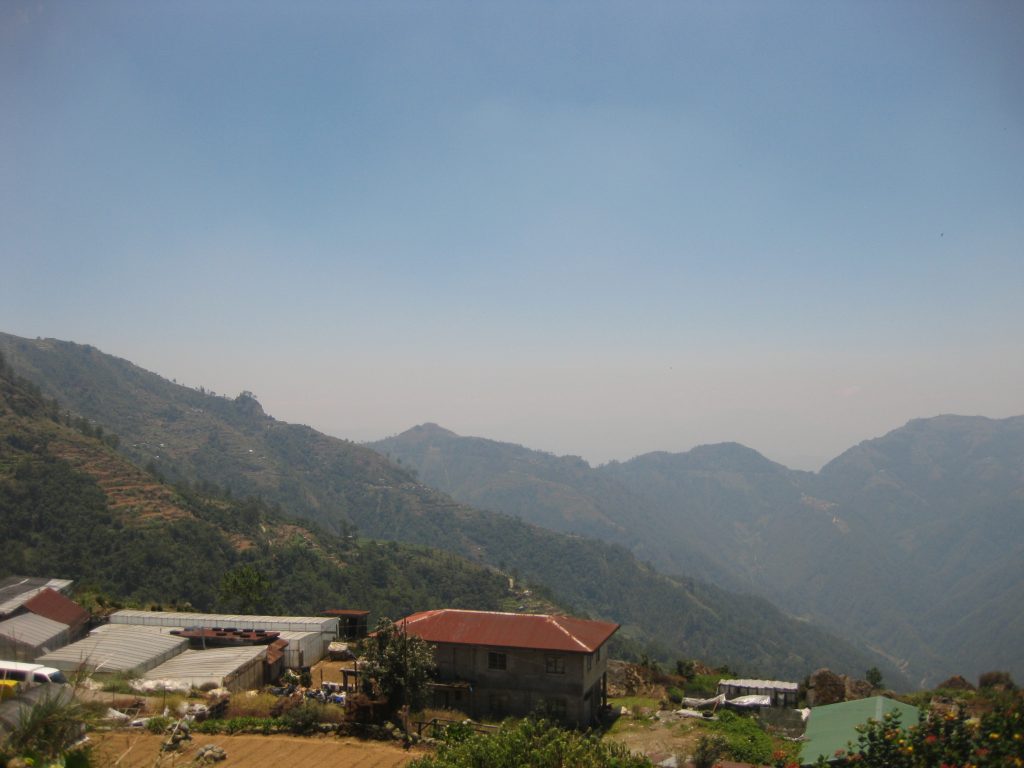
By twilight, we finally reached the Brgy. Paoay of Atok with visibility fading as the fog thickened and got mixed with the light drizzle of rain that blurred our vision more. There, upon arriving at Milbur House where we would be staying, it felt that the real fieldwork was about to begin… that the knowledge we were seeking about the women flower farmers of Atok were right before our eyes, gradually unfolding and quietly embedded in the days ahead.
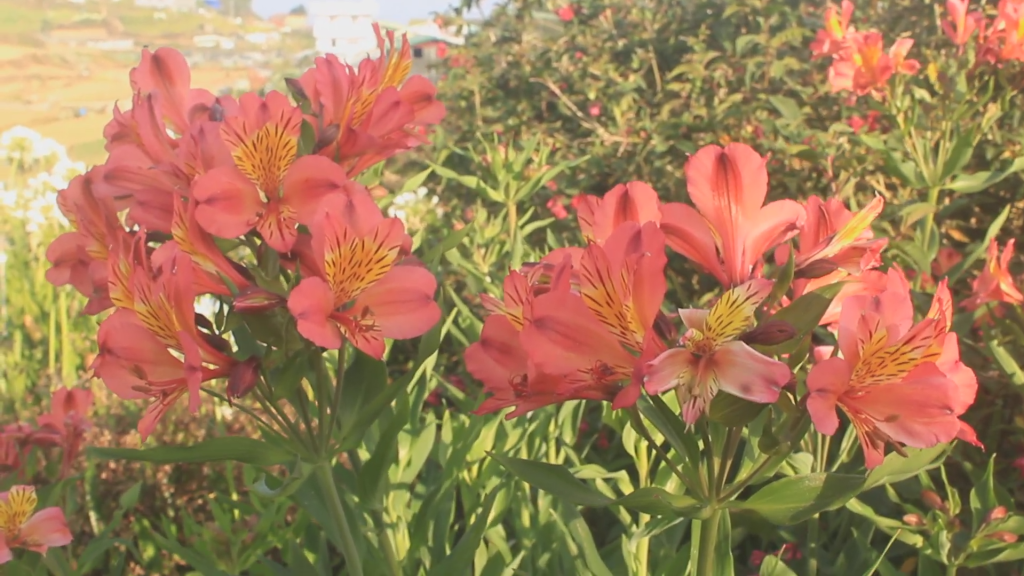
In our three-day focus ethnographic study, we were able to meet five (5) interviewees– all of whom are pre-senior to senior citizens but definitely are veterans when it comes to farming. Their presence carried a gentle kind of authority the first time I had a glance at them. What I first noticed are their sweaters and hats that revealed adaptation to the weather and mastery of life conditioned to the rhythm of planting and harvesting. While not all of them are focused on floral farming nowadays and instead switched back to vegetables (like cabbage and carrots), they all shared a history of growing flowers that somehow served as a binding string for women of Atok to foster their friendship. I remember Nanay Rose (not her real name) telling us the analogy that men enjoy talking about “sabong” while the “bulaklak” is the counterpart for women’s common ground of interest.
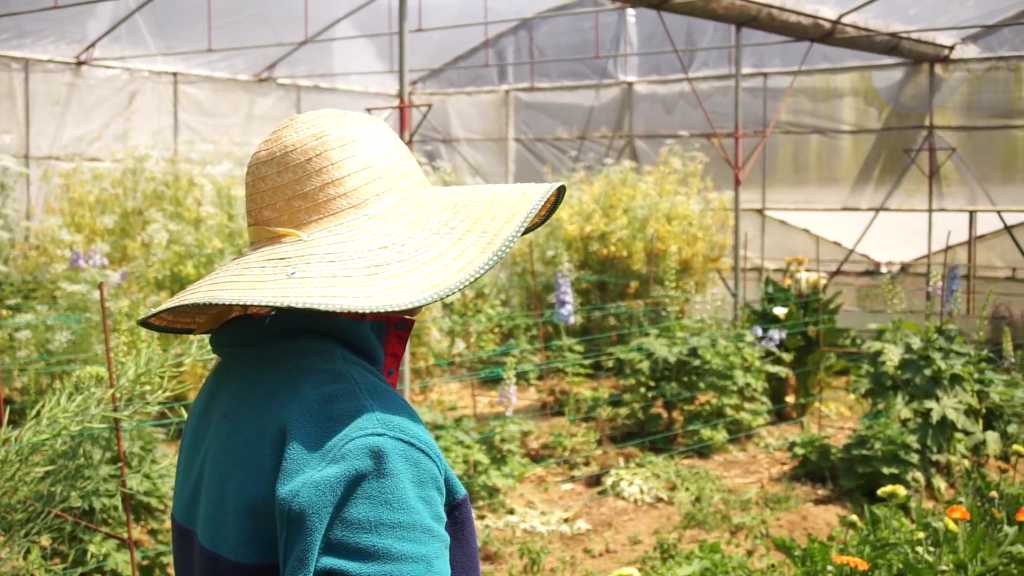
Across our conversations, it was inevitable to ask questions comparing the practices of flower and vegetable farming; and interestingly, the former is a much gentler yet more meticulous work for them as some of their flower crops require attention in ensuring that its stems won’t bend a centimeter. It also requires a regular removal of weeds and a controlled environment through greenhouses so that their flowers could blossom in its optimal bloom. When asked about the income brought by flower farming, they shared that it is a better alternative for vegetable farming since the profit is higher, especially when the imported seedlings they grew are bought and transported to the Metro– particularly to Dangwa– a famous flower market in Manila.
As Nanay Chrysa (not her real name) put it, “Kahit na kung minsan ay sakto lang [ang kita sa bulaklak], mas okay lang kaysa gulay. Minsan nangungutang kami [kapag sa gulay]. Sa bulaklak, hindi kami nangungutang. Noong nagtanim kami ng bulaklak, hindi kami mangungutang ng pagkain. Noong gulay, malaki ang utang namin sa pagbibili ng pagkain. Inuutang namin yung ginagamit namin sa gulay, at tsaka mangungutang kami pambili ng pagkain.”
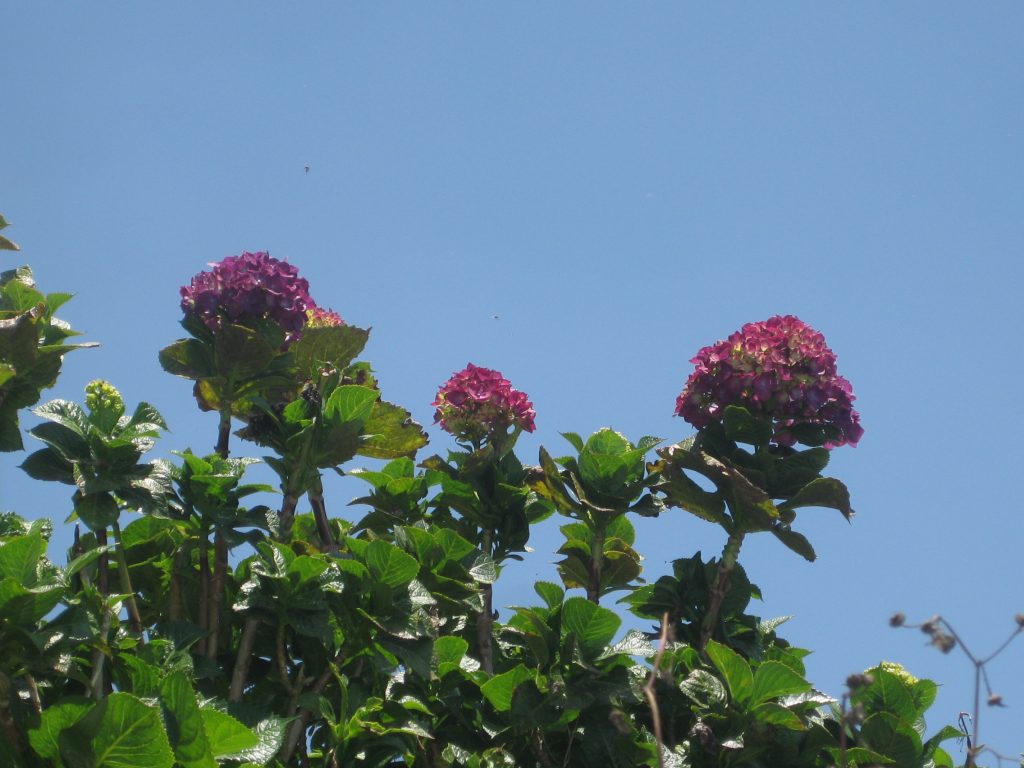
However, beneath this comparison that seems to favor flowers as the more viable livelihood, their narratives also revealed that it is far from being purely a story of ease. Because behind the fragrant fields of flowers, here in Atok, lies the weight of realities lived by the women farmers. While relatively more profitable, it is not without its own set of uncertainties. The very same work that requires utmost care in cultivation is also shaped by unstable market conditions, where prices dwindle and are often beyond their control; and not to mention, the problem of oversupply. It places them in a vulnerable position within the broader supply chain, where their labor is the foundation yet their bargaining power remains suppressed. At the same time, the increasing unpredictability of weather patterns such as strong rains, shifting temperatures, frequent typhoons, and prolonged cold spells producing frosts or “andap” has directly affected their produce and eventually income.
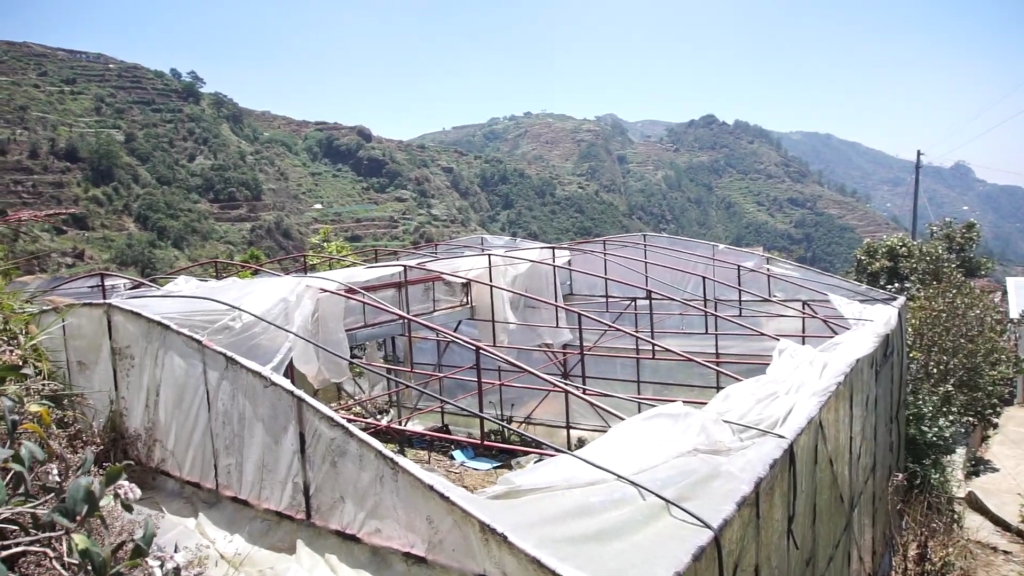
Nanay Kamia (not also her real name) told us that the obstruction of her greenhouse which houses Lisianthus and Paper Roses is what made her stop flower farming because the repair costs hundreds of thousands. Moreover, flower farming also exposes them to the use of chemical pesticides that put their health at risk— effects that do not announce themselves in the present but only realized and harvested in the “long term” as Nanay Rose described it to be. These agricultural practices indicate that what appears as a flourishing landscape is sustained by precarious conditions. In a sense, profitability does not always seem to be translating to stability.
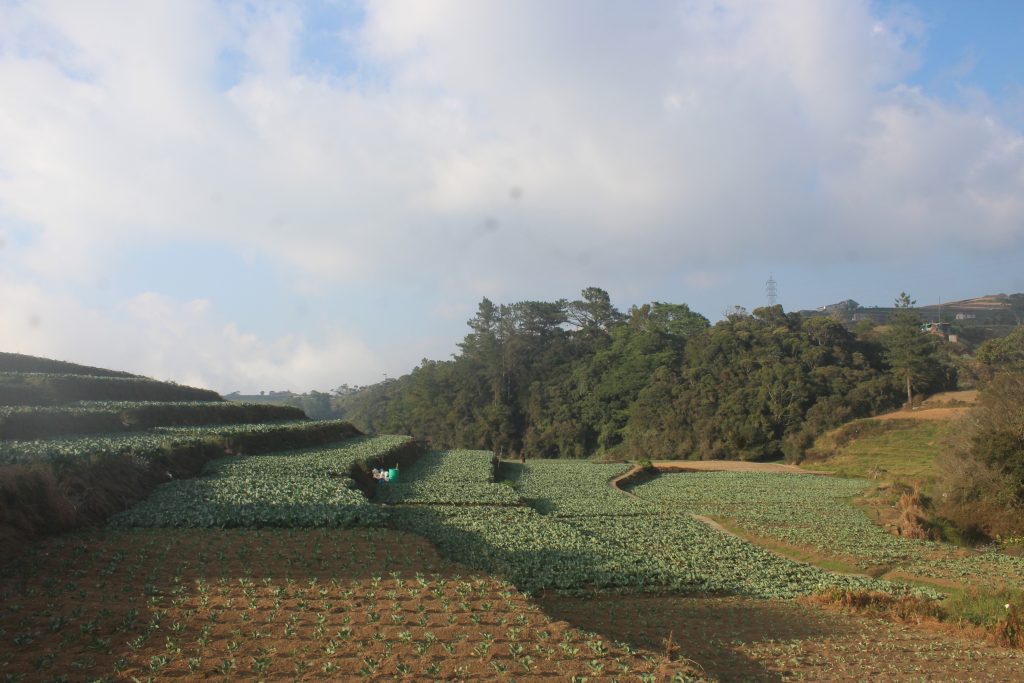
These layered challenges, however, do not exist in isolation. They, in fact, also converge with the gendered experiences of women farmers of Atok as wives and mothers. It is important to note that this is where my positionality as a researcher is situated. After all, this fieldwork is guided by a feminist lens. For them, being a woman who juggles different roles inside and outside their households was just simply a life that had been lived for decades; but for us, outsiders, it was extraordinary to continue grazing the lands when their bodies demanded rest. In the pauses between their sentences, I began to notice what was never explicitly said: the double, even triple, burden is constant but rarely renamed as such and bore with silent acceptance.
While they had emphasized that their community upholds egalitarian practices, that of which is “tulungan palagi ang mag-asawa” in their own words, there are parts of our interviews that implicitly reveal the embodied care work of women. I recall Nanay Kamia and Nanay Daisy (not her real name) telling us that before going to the fields, they have to start their day early in the morning to do the chores and prepare their kids for school. There was also a time where they had to bring their little child on their backs while planting on their fields, attending both to their children as mothers and their work as farmers. In another account, Nanay Chrysa narrated how her workload had significantly become heavier when her husband became ill, pushing her to carry productive and reproductive duties alone, tending to crops and her family. These stories made it clear that their labor is no easy work and cannot be contained within the boundaries of agriculture alone. Rather, it is a form of motherly love that constantly spills over into other spheres of life, especially that of family, shaped by necessity and expectations calcified by society into women.
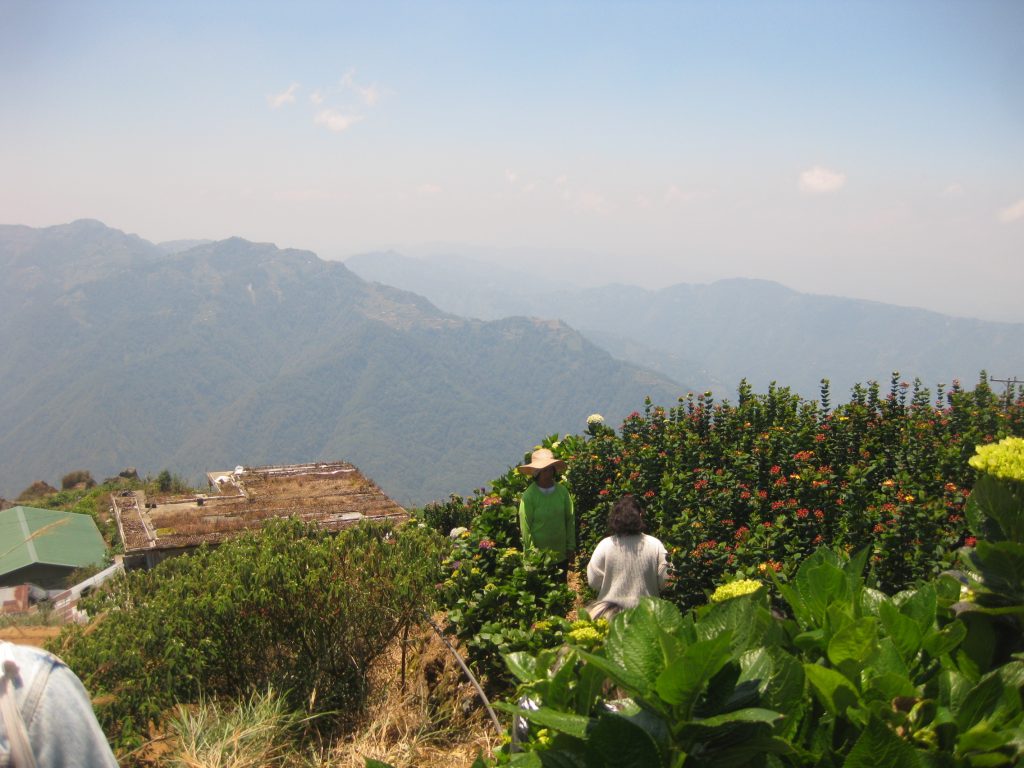
And perhaps, the struggles of farming are what also pushed them to redirect their wilted aspirations to their children, especially that another recurring reality for them is their unfinished or unpursued higher education as they had to work at an early age. Education, for them, became a path deferred in favor of survival; yet absolutely should not be the case for their daughters and sons. Nanay Rose shared with pride of having a lawyer and doctor in the family while Nanay Tulip (not her real name) spoke proudly of having a child in the business field, extending their livelihood in flower farming. On the other hand, Nanay Kamia and Nanay Daisy have accomplished children, with the former having a licensed but non-practicing nurse who chose to work in the agricultural market— a shift that she shared with a hint of sadness.
“Nagtatrabaho din sila. Kasi ‘yong dalawa kong anak may pinag-aralan naman pero, parang masakit sa akin, hindi nila ginamit… ‘yong isa, nandoon sa market. ‘Yong isa nandoon sa ibang munisipyo… nag-aalaga ng baboy,” Nanay Kamia said.
Meanwhile, in our final conversation with Nanay Chrysa, she shared a piece of advice to urge young and future generations of women— words that, for me, lingered long after the interview had ended, “Ay, naku. Kapag ako, sana ay mag-aral sila para ‘di na sila gumaya sa akin na magtatanim ng bulaklak lang. Mas maganda yung makapag-aral sila.”
Her words were not spoken with shame, but with a kind of exhausted clarity, perhaps influenced by decades of labor in the fields. In that statement, I came to realize that in flower farming, there is also a thin line of what was possible and what had to be surrendered. And yet, within the same breath, it revealed the invisibilized strength of these women who continue to hope that their children might live a life beyond the limits of what they once had to accept.
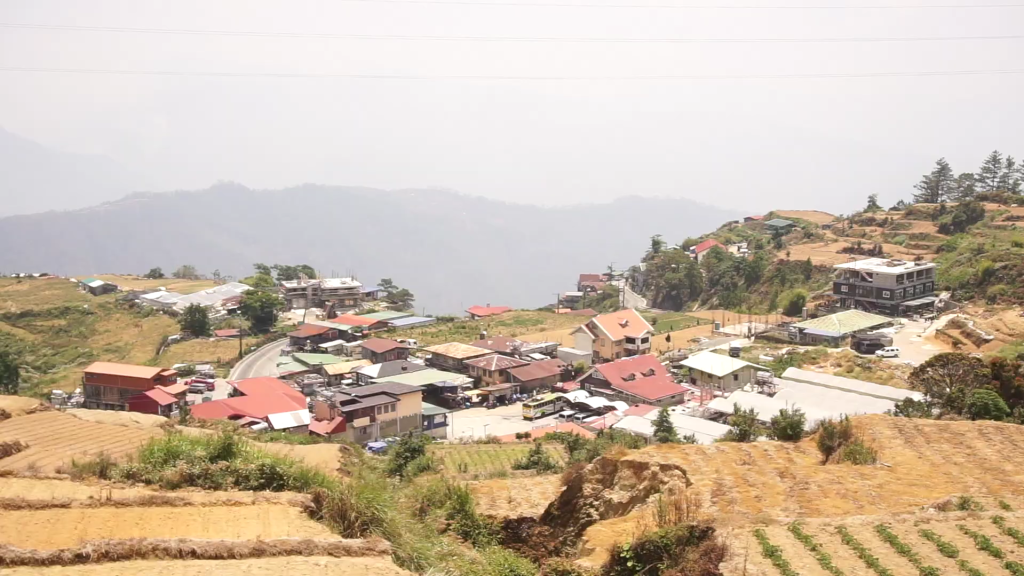
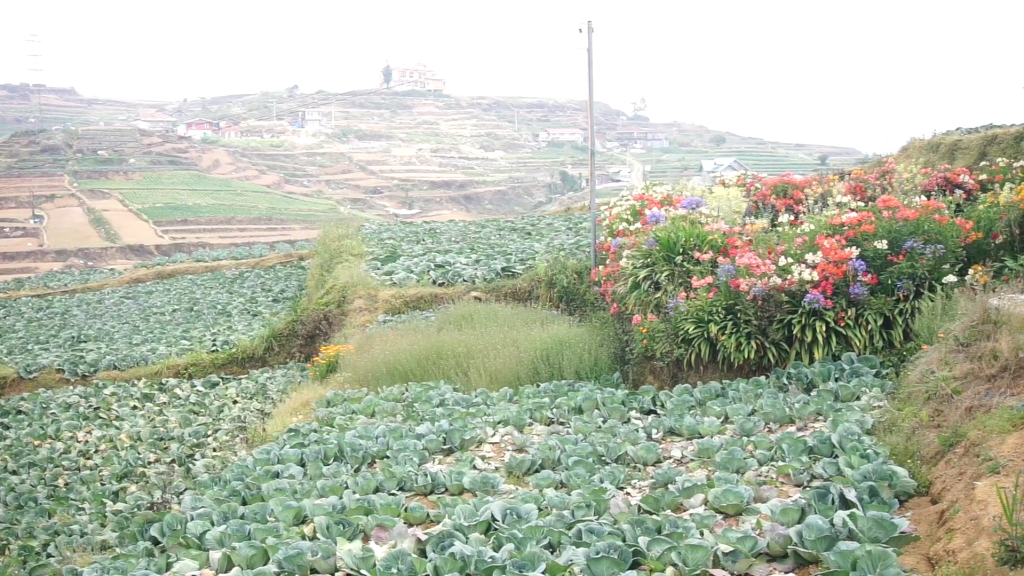
As our conversations came to an end, so too did our time in the flower fields of Atok. But what keeps it etched into my heart until now are not only the colors of its petals, but the cherishing hands that kept its florescence. Amid the intersecting precarity and burdens these women had to confront, they are one of the main social actors that hold the entire households and local economies together, like how bouquets of flowers are delicately tied together.

As our bus descended downwards, the fog that once swallowed the roads slowly thinned, dissipating like sporadic mists. What once felt like freezing cold that I thought I was getting used to, was replaced by gradually increasing heat, preparing again for the reality of the Metro where I reside. And somewhere between the not-so-long of waiting and noise of departure announcements, our six-hour journey to Cubao began. The mountains disappeared behind us, as if we were closing a chapter we had only briefly been allowed to read. Under the bluish neon lights of the bus lamps, my co-passengers, classmates, and professor, succumbed into the feeling of sleepiness. When the bus stopped as if it’s leashed onto the terminal, I woke up at midnight of April 14 and just like my normal days, the Cubao is still awake.
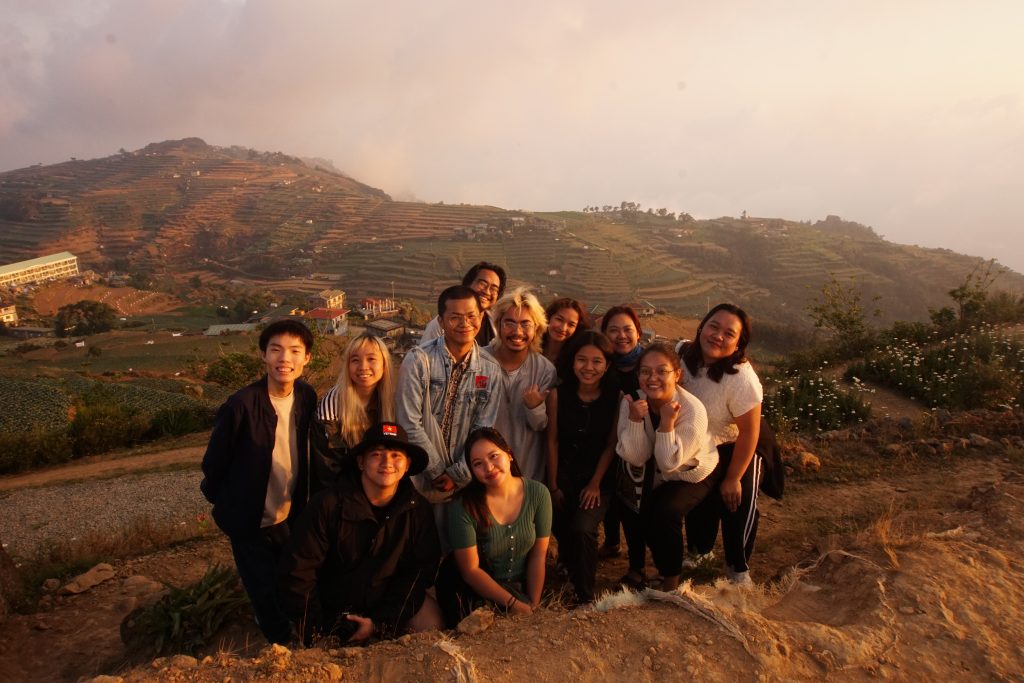
Yssa is a third-year BA Sociology student at the University of the Philippines Diliman.
This AFA Spotlight article is part of a collection of articles about this Off-Campus AFA in Atok, Benguet. View the other articles in this collection here.